 EN
EN

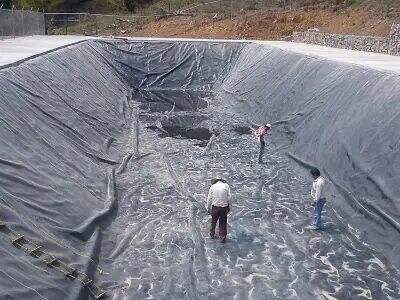
While you're thinking of using gravel, you might wonder whether or not to lay geotextile underneath. Geotextile are a type of fabric for construction and gardening jobs. They have been useful in helping to regulate drainage and stabilization. For more durable and high-performing gravel driveways or paths, geotextile is an excellent choice. This would prevent the gravel from intermingling with the soil below and weeds from growing up through the gravel. Hence you will not need to worry about the amount of maintenance or repairs required
What Are the Benefits of Placing Geotextile Underneath Gravel
There are numerous benefits to laying geotextile beneath your gravel that is worth noting. Firstly, it acts as a barrier to prevent the dirt from mixing with the gravel. This is of consequence as otherwise, as time goes on, the gravel will sink into the soil, making the driveway or pathway lumpy and bumpy for travel. Placing a geotextile down will ensure that the gravel is supported on top and does not sink below into the dirt; hence, the surface will be even and aesthetically pleasing
Secondly, it is effective for water drainage. While gravel can allow water to filter through effectively, if the soil below the gravel is sodden and marshy it can result in a problem of placement of the gravel. The geotextile allows the water to filter through the gravel but not sink into the dirt, and is ideal in areas where a great amount of water falls. Thus puddles on gravel pathways which become slippery and dangerous are avoided
Lastly, geotextile are also good for weed control. They would assist in stopping most of the weeds from growing through the gravel, thus saving you time from having to constantly pull the weeds from your pathway or driveway. Geotextile would also help in resisting erosion. Water, or wind can easily carry off the gravel from your driveway or pathway. Using geotextile will keep the gravel in place
Therefore, using geotextile under your gravel has various positive benefits that make it an efficient option for both the environment as well as financial concerns
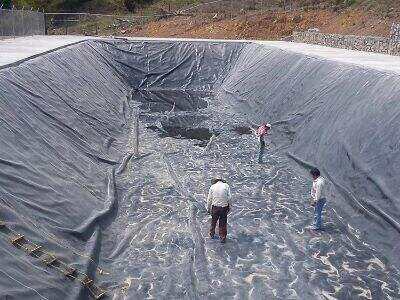
Where Can I Source Quality Geotextile for Large Gravel Jobs
If you've decided to use geotextile in your project, you'll need to know where to purchase it. Choosing the right geotextile for your needs is crucial. The best option is to look at construction or landscape suppliers who typically stock a wide range of geotextile for different jobs
JRX has a comprehensive range of geotextile to fulfill different needs, they carry tough and durable geotextile, perfect for placing under gravel for the purpose of paving. For selection, you should keep in mind the weight and thickness of the geotextile needed as they will take on various stresses depending on the traffic levels. The heavier you need it to be, the more it would be used for heavier, high traffic areas
You can also source from local suppliers or retailers, many will be able to ship the item straight to your residence with minimal trouble. Simply compare the price and check the reviews before selecting your preferred vendor, to determine if they are a reliable and good vendor, within your budget. For larger projects, purchasing in bulk can significantly reduce costs. You'll be able to save money and ensure you have enough fabric for your whole area
Overall, it is imperative that you choose a quality geotextile for the success of your gravel job, JRX carries the perfect type for providing durable and well-functioning gravel driveways and pathways
Is a Geotextile Necessary
When creating paths, driveways or gravel areas it can be wondered whether to use a specialized underlay or not. Specialized underlay includes geotextile, a type of fabric, and it helps with stabilization and soil consistency. It works to keep the gravel in place as otherwise it will seep through and sink into the dirt underneath, leaving behind a messy and uneven pathway or driveway. Placing geotextile will separate the soil beneath the gravel from it thus giving the gravel a better appearance as well as a longer lifespan. It helps with the process of drainage also; rain will just filter through without pooling on the path or driveway, allowing for faster use after rainy weather. It will also assist in preventing the growth of weeds through the gravel which is why it will serve well in the making of a long-lasting gravel pathway or driveway. At JRX we feel it is a sensible item to use on a gravel pathway
How to Choose the Right Geotextile for Gravel Work
There are many considerations that you should pay attention to when choosing the right geotextile for your work. For a project like a driveway you may require a tougher fabric that is durable enough for cars; while for a small garden path, a less resilient fabric would suffice. The geotextile is manufactured in many different varieties to suit your particular use
One of the main aspects to consider is the type of material that the geotextile is made of. Some fabrics are made of polyester which makes them more resilient. Fabrics made of Polypropelene are useful for less challenging tasks. You may also choose between woven or non-woven geotextile, depending on your needs. The former are stronger and would serve better as support for high traffic areas, while the latter would filter water effectively for drains and act better as a weed control method
The size of the roll is important too for smaller projects the latter would be easier to handle than a large roll for a big job. Finally, look at some reviews or recommendations given by previous users. JRX can also assist in helping you select the right type for your gravel project to get the perfect result
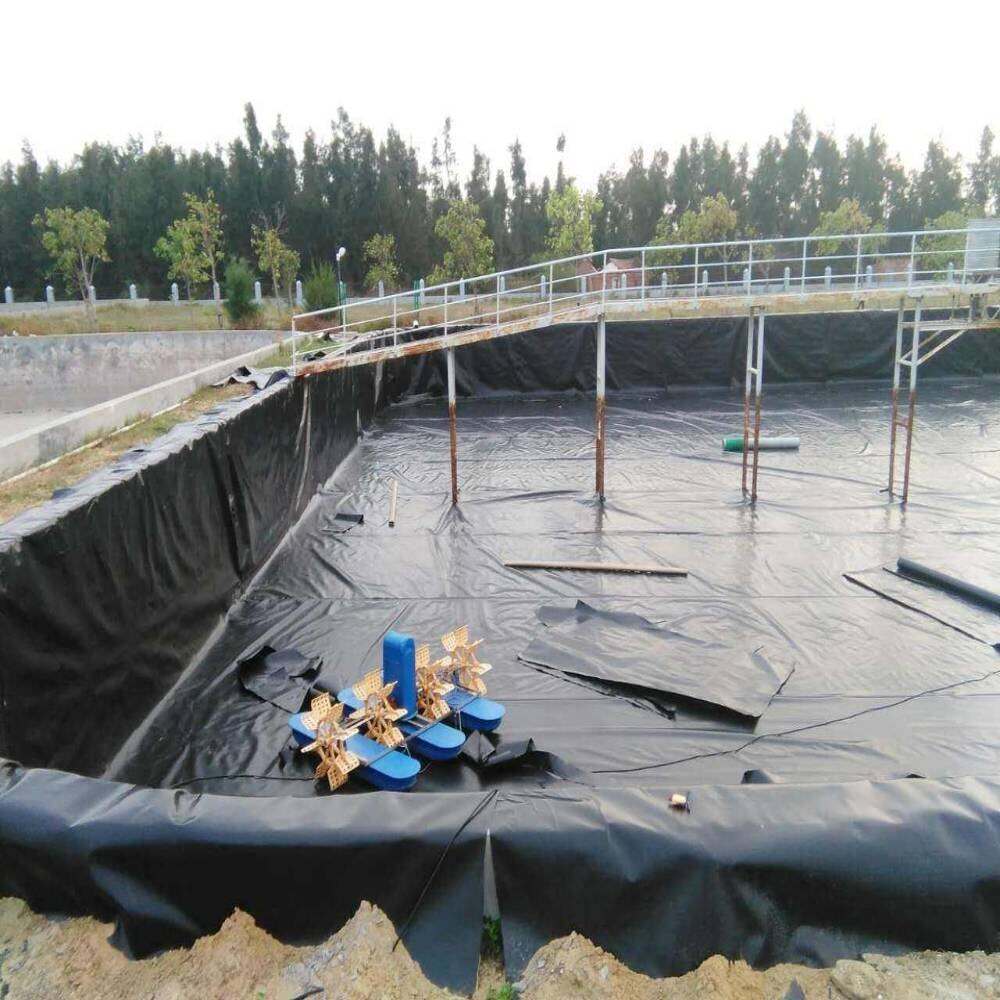
Best Practices for Installing Geotextile Beneath Gravel
Proper installation of geotextile under gravel can be crucial for it to work effectively. To begin with, you should make sure that your area has been prepared sufficiently for paving. You must remove grass, weeds, and other debris and ensure that there are no bumps or holes. When installing, lay the geotextile down with no creases or folds to ensure it does not negatively impact your paving in later use
Overlapping is important when laying down geotextile; two separate fabrics must overlap by at least 12 inches in order to stop the seepage of dirt from around the seams. Apply gravel once the fabric is in place, preferably large stones for the bottom layers followed by small stones at the top. Finally, compress this down so that your gravel area feels secure, and continue to check it over time to discover any sinks and add more gravel if needed. By installing correctly you will extend the life and aesthetic of your paving