 EN
EN

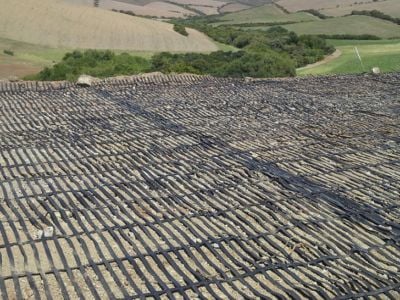
Installing a geogrid for a retaining wall can be a rewarding project. Geogrids help reinforce the wall and keep the soil in place. They are strong materials designed to stabilize the earth, making them essential for the safety and longevity of retaining walls. Proper installation is important to ensure the wall performs well for many years. JRX provides reliable geogrid solutions and practical guidance to help you complete your project successfully. Whether you are a beginner or have previous experience, understanding the correct installation process will make the job easier and deliver better results
Wholesale Options for Geogrid Materials
If you are looking for geogrid materials at wholesale prices, there are many options available. JRX offers a wide range of geogrids designed for different applications and project requirements. Some geogrids are manufactured from high-density polyethylene (HDPE), which provides excellent durability and resistance to chemicals. Others are made from polyester, offering high tensile strength for demanding reinforcement projects. Selecting the right material depends on your project's specific needs. Purchasing geogrids in bulk can significantly reduce costs, making wholesale buying a smart choice for contractors handling multiple projects or large construction sites. It is also worth comparing products from local suppliers to find competitive pricing while ensuring the materials meet industry quality standards. If you are unsure which product is best suited for your retaining wall, the experienced team at JRX can help you choose the most appropriate solution
Common Installation Issues and How to Avoid Them
Installing geogrids correctly is essential for achieving a strong and durable retaining wall. One of the most common mistakes is failing to prepare the foundation properly. If the ground is uneven or unstable, the geogrid cannot perform effectively. Before installation, remove rocks, debris, and loose soil to create a firm, level base. Another frequent issue is using too few layers of geogrid. While a single layer may be sufficient for smaller walls, taller retaining walls usually require multiple reinforcement layers to provide adequate stability. Proper overlap between adjacent geogrid retaining wall sections is also critical. Insufficient overlap can create weak points that reduce the wall's overall strength. Always follow the manufacturer's recommended overlap distances. Compacting the backfill soil thoroughly around each layer of geogrid is equally important. Proper compaction locks the reinforcement into place and minimizes future settlement or movement. At JRX, we encourage installers to follow every step carefully and seek professional advice whenever necessary to ensure a successful installation
How to Choose the Right Geogrid for Your Retaining Wall
Choosing the correct geogrid is one of the most important decisions when building a retaining wall. The first consideration should be the wall's height. Taller walls generally require stronger geogrids with higher tensile strength. JRX offers various reinforcement products designed to support different wall heights and loading conditions. The type of soil also plays a major role. Sandy soils and clay soils behave differently under pressure, so the appropriate retaining wall with geogrid depends on the site's soil conditions. Sandy soils often require greater reinforcement, while clay soils may need products specifically designed for cohesive materials. You should also consider the loads acting behind the wall. If the retaining wall will support heavy vehicles, buildings, or other significant loads, select a geogrid capable of handling those additional forces. Local climate is another important factor. In areas with heavy rainfall, choosing a geogrid system that promotes effective drainage helps reduce water pressure behind the wall and improves long-term performance. Finally, balance quality with your budget. JRX offers reliable geogrid products across a range of price points, allowing customers to find solutions that provide both durability and excellent value
Where to Find Expert Guidance on Geogrid Installation
Installing geogrids can seem challenging, but reliable guidance is readily available. JRX provides comprehensive installation resources, including detailed guides and instructional videos that explain each step of the installation process in a simple and practical way. These materials are especially useful for first-time installers. Customers can also contact the JRX technical support team by phone or email for personalized assistance. Our specialists are available to answer questions and provide recommendations based on your specific project requirements. Visiting a local JRX distributor is another excellent option, as knowledgeable staff can offer practical advice and product recommendations. Online construction forums can also be valuable sources of information, allowing you to learn from the experiences of other contractors and homeowners. Local workshops and training sessions often provide hands-on demonstrations of proper geogrid installation techniques. By combining these resources with JRX's expert support, you can confidently complete a safe and effective retaining wall installation
Benefits of Using Geogrid in Retaining Wall Construction
Using geogrids in retaining wall construction offers numerous advantages. The most significant benefit is increased structural strength. Geogrids reinforce the soil, helping the retaining wall resist movement and preventing collapse, especially in taller walls or applications with heavy loads. At JRX, we understand that proper reinforcement is essential for building retaining walls that remain stable for many years. Geogrids also improve drainage performance. Good drainage reduces water pressure behind the wall, which helps prevent soil erosion and structural damage caused by heavy rainfall or flooding. By allowing water to pass through while maintaining soil stability, geogrids contribute to a longer-lasting retaining wall. Another major advantage is cost savings. Because geogrids improve the wall's stability and reduce erosion, they help minimize future maintenance and repair expenses. Installation is also relatively straightforward, allowing many projects to be completed with less labor and fewer specialized tools. Geogrids are an environmentally friendly solution as well. They reduce the need for large amounts of concrete and other construction materials with higher environmental impacts. Instead, they work with the surrounding soil to create efficient and sustainable retaining wall systems. With their strength, durability, ease of installation, cost-effectiveness, and environmental benefits, geogrids are an excellent choice for retaining wall construction. JRX is committed to providing high-quality geogrid products and expert support to help you build retaining walls that are safe, durable, and built to last.