 EN
EN

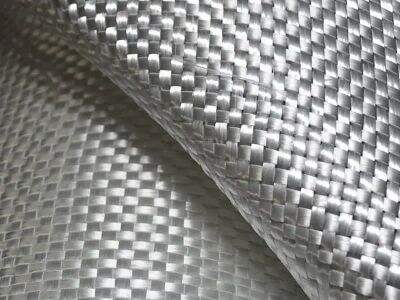
When building a retaining wall, it's important to make sure it stays strong and lasts a long time. One way for this is using geotextile. Geotextiles are special fabrics that help with drainage and soil stability. Putting it behind your retaining wall can make a big difference. At JRX, we know how to do it right. Let’s go into how to install geotextile properly and pick the best type for what you need.
How to Install Geotextile Behind Retaining Wall for Good Performance?
Installing geotextile behind a retaining wall isn't too hard, but you need to do it carefully. First, prepare the area where the wall goes. This means dig a trench deep enough for the wall and geotextile. Make sure the soil is level. After that, lay down geotextile fabric. It should be flat without wrinkles. If there are rocks or sharp things, remove them because they can tear the fabric. Next, put gravel or crushed stone on top of the geotextile. This helps drainage and keeps soil from pushing the wall too much. The gravel needs to be placed gently so it does not damage the geotextile. After adding gravel, it's time to build the retaining wall. Make sure the wall is built straight and sturdy. As you build, check the geotextile fabric is still in place and not showing. Once the wall is done, cover the top of the gravel with soil. This will keep everything in place. It's important to water the soil a bit to help it settle. Over time, this setup works together to keep the wall strong and stop issues like water buildup or soil erosion. So take time and pay attention to each step for the best results.
How to Pick the Right Type of Geotextile for Retaining Wall?
Picking the right type of geotextile is key for your retaining wall project. There are two main types: woven and non-woven. Woven geotextile is made from strong threads woven together. This type is good for holding soil back, but it might not let water flow easily. On the other hand, non-woven geotextile is made from fibers bonded together, making it more open. This means it allows water to drain through, which can help prevent water pressure behind the wall. When selecting the type, think about soil and how much water is in the area. If your place has lots of rain, non-woven type might be better. Also, consider the thickness of the fabric. Thicker geotextile can be tougher but also costs more. Evaluate your budget and needs. JRX offers choices in both types, so you can find the right one. That's why it's always good to consult experts or research what works best for your situation. Choosing smart will help the wall perform well and last longer, giving you peace of mind.
What to Know About Geotextile Fabric Install Techniques?
Installing geotextile fabric behind a retaining wall is an important step that helps keep the wall strong and stable. First, let's understand what geotextile fabric is. It is a special fabric that lets water pass but stops soil from moving. This is super important because when it rains, water can build up behind the wall. If there is no fabric, soil can wash away and make the wall weak. To start, prepare the area where the retaining wall goes. Make sure the ground is flat and clean. Remove rocks, sticks, or old plants. Once the area is ready, you can dig a trench for the wall. The trench should be deep so the wall sits securely. After digging, lay the geotextile fabric in the trench. Make sure it covers the whole area and goes up the sides a little. This helps soil not push through the fabric. You can use stakes or pins to hold the fabric in place while working. Next, build the retaining wall on top of the fabric. As you add stones or blocks, be careful not to tear the fabric. After the wall is built, add gravel or crushed stone behind the wall. This helps drainage and lets water flow away from the wall. Finally, fold extra geotextile cloth over the gravel. This keeps soil from washing away while still letting water through. With this, you can make sure the retaining wall stays strong for a long time. In addition, follow the steps carefully for optimal results.
Where to Get Expert Advice on Geotextile Install for Retaining Walls?
If you are new to installing geotextile fabric, it's a good idea to seek expert advice. There are several places to look for help. One of the best resources is a local hardware store. Many stores have staff who know and can give tips on how to install geotextile fabric. They help pick the right type and guide you. You can also find info online. Websites about home improvement often have guides and videos showing how to install geotextile correctly. Look for sites with good reviews and trusted information. Another resource is the local library. They have books on home building and landscaping that give more information. If you prefer learning from a person, find a class or workshop nearby. Some community colleges or centers offer classes on landscaping. You can reach JRX too; our team has experts who provide advice and answer questions about geotextile installation. We help you understand what you need for your project, so you feel confident. Remember, getting advice can save time and avoid mistakes, making the project smooth.
Benefits of Using Geotextiles in Retaining Wall Building.
Using geotextiles in retaining wall building has many benefits. First, they help with drainage. When it rains, water can build up behind the wall. If there is no good drainage, the wall becomes weak and may fall. Geotextiles let water flow while keeping soil in place, which prevents problems. Second, using them can make the wall last longer. They protect soil from washing away and help keep the structure strong. This means fewer repairs later and saves money. Third, geotextiles are easy to install. As said before, they lay down quickly and fit tight spaces. This is great for DIY projects. And, they can improve the look of landscaping. When installed properly, geotextiles create a clean and tidy area around the wall. This makes the yard look nice and can increase home value. In addition, geotextiles are eco-friendly. They are often made from recycled materials and do not hurt the environment. If you care about nature, they are a good choice. Finally, they help stop erosion. Erosion happens when soil is washed away by water or wind. With geotextiles, you keep soil in place and protect land and homes. Overall, the benefits are clear. They improve the strength and lifespan of walls, plus make yards better and protect nature.
Table of Contents
- How to Install Geotextile Behind Retaining Wall for Good Performance?
- How to Pick the Right Type of Geotextile for Retaining Wall?
- What to Know About Geotextile Fabric Install Techniques?
- Where to Get Expert Advice on Geotextile Install for Retaining Walls?
- Benefits of Using Geotextiles in Retaining Wall Building.