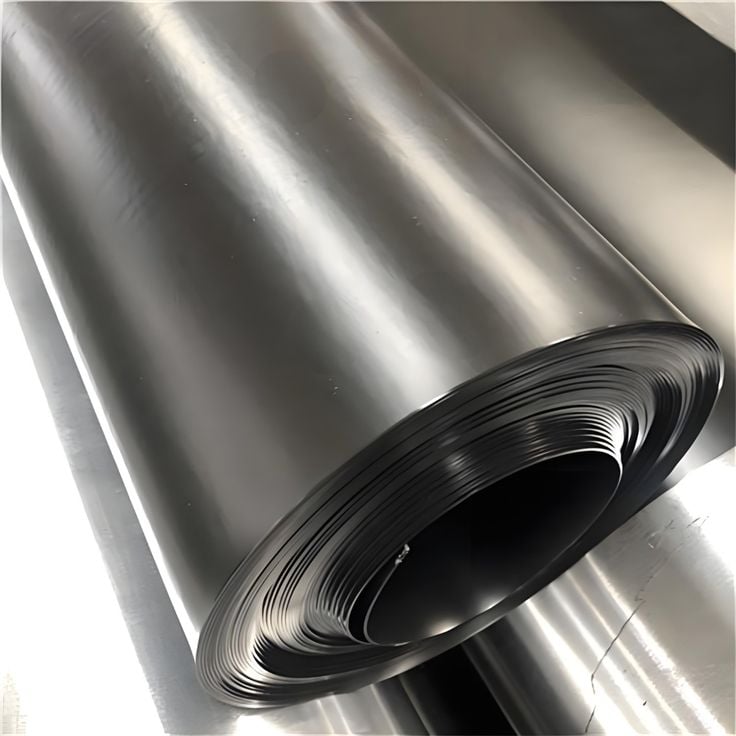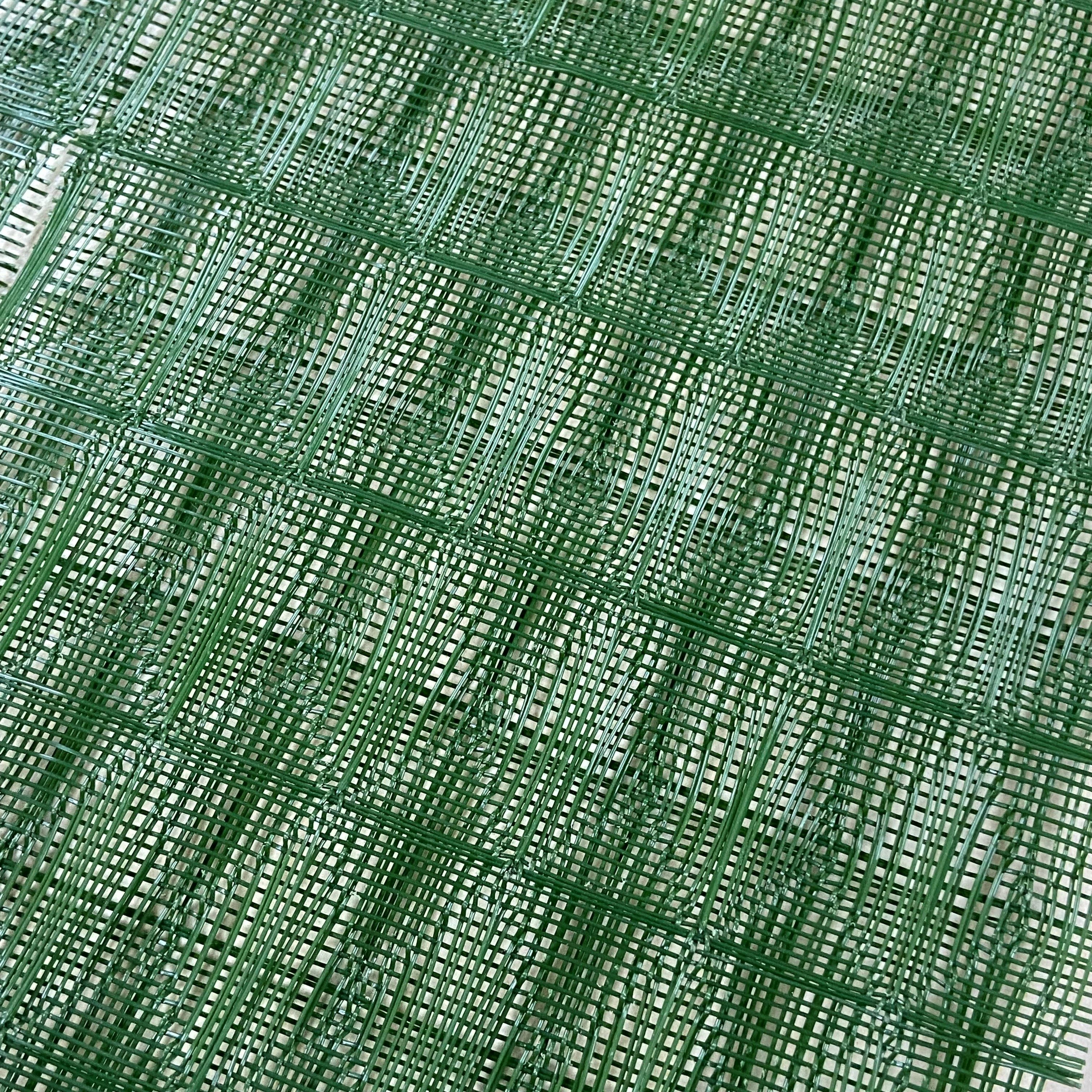
תעשיית הגיאומברנים הגלובלית חווה צמיחה חזקה, המונעת על ידי הביקוש המתגבר לפתרונות מתקדמים לאחסון במקורות תשתית, הגנת הסביבה ואנרגיה מתחדשת. כחומר בלתי חדיר קריטי, גיאומברנים אינם מוגבלים יותר ליישומים מסורתיים, אלא הופכים ליסוד מרכזי בפתרון אתגרים גלובליים כגון מחסור במים, בקרת זיהום והפחתת שינוי האקלים. דיווחי תעשייה מנבאים ששוק הגיאומברנים הגלובלי יגיע ל-6.7 מיליארד דולר עד שנת 2033, עם שיעור צמיחה שנתי מחושב (CAGR) של 6.3% בין השנים 2025–2033<superscript>6.
ניהול פסולת נשאר הקטע היישומי הגדול ביותר, ומשתלב במעל ל-35% מהביקוש הגלובלי. גיאומברנות משמשות כמגנים חיוניים וכמערכות סגירה באזורי קבורה של פסולת עירונית (MSW) ובמתקני פסולת מסוכנת, ומניעות חדירה של נוזלים מזוהמים לקרקע ולמי התהום. עם העלייה בערים שדוחפת את ייצור הפסולת העירונית — בהודו לבדה צפוי להיווצר 436 מיליון טון מדי שנה עד שנת 2050<superscript>4 — גיאומברנות ביצוע גבוה, במיוחד גרסאות HDPE, הפכו ללא חלופיות לשם התאמה לתקנות הסביבתיות החמורות. במדינות מפותחות, תקני אי-פליטה של נוזלים מזוהמים עוד יותר הגבירו את האימוץ של מערכות גיאומברנות מהנדסות עם עמידות כימית ועמידות משופרות.
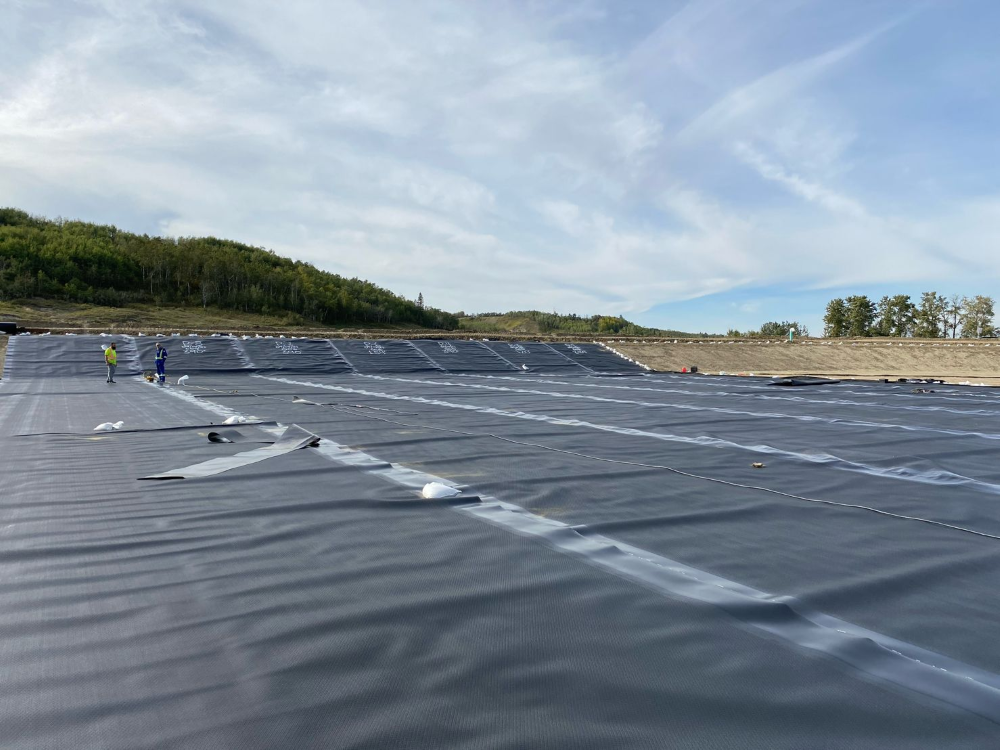
ניהול משאבי המים עולה כמנוע צמיחה עיקרי, כאשר מברנות גיאומטריות ממלאות תפקיד מרכזי בשימור המים ובמערכת העברתם. מפריסת מברנות בגודל גדול באגמים מלאכותיים ועד ליצירת איטום בצלבים זراعיים קטנים, חומרים אלו מפחיתים באופן משמעותי את אובדן המים דרך חדירה. באזורים יבשים וشبه יבשים, בריכות ואגמים מלאכותיים שמתוכננים עם מברנות גיאומטריות הפכו לקритיים לאגירת מי גשם ומי שפכים מעובדים. אסיה והפסיפיק מובילים את התחום הזה, בעקבות ההשקעות העצומות בתשתיות בסין, בהודו ובמדינות דרום מזרח אסיה, אשר יחדיו אחראיות לכמעט מחצית מצמיחת השוק הגלובלי <superscript>2.
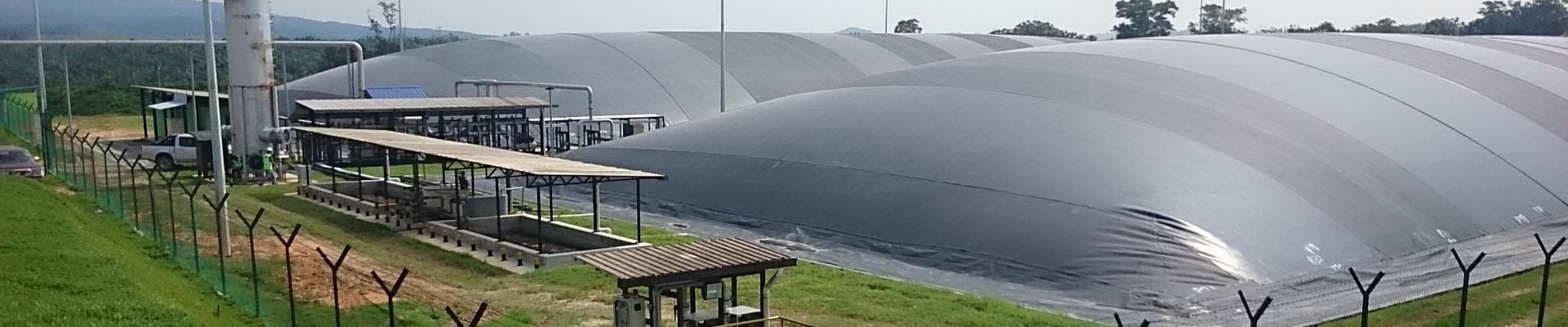
המגזר המכרה מסתמך במידה רבה על גיאומברנות לפתרונות איסוף, במיוחד באגמי שפכים ובפלטות חילוץ עירומי. מחסומים אלו מונעים את שחרור החומרים הרעילים לאקוסיסטמות הסובבות, ופועלים כנגד דאגות סביבתיות קיימות במגזר מזה זמן רב. בינתיים, המעבר לאנרגיה מתחדשת פתח אפשרויות חדשות ליישום גיאומברנות. במלאזיה, גיאומברנות HDPE משמשות במערכות כיסוי צפים באגמים לפסולת מפעלי שמן דקל (POME), ויוצרות ממירים אנארוביים שמאפשרים לכד את הגז המטאן לייצור ביוגז — המרה של פסולת חקלאית לאנרגיה נקייה, תוך הפחתת פליטת גזי חממה<superscript>3. יישומים דומים מתעוררים גם בהגנה מפני חדירה ליסודות של חוות סולאריות ומתקני אחסון פחמן.
חדשנות בטכנולוגיית חומרים מרחיבות את יכולות הגאוממברנה ואת מקרים השימוש. גיאוממברנות משוחזות מ-PVC ו-EPDM מרוכשות כוח נשיכה בסביבות קשות, ומציעות עמידות UV מעולה וגמישות עבור טמפרטורות קיצוניות הנעות מ -30°C ל -70°C <סופרסקריפט>8. פאנלים של גיאוממברנה מופקים במפעל גם הם מהפכים את ההתקנה, מקצלים את התפרים באתר ב-70-90% ומחקיקים את לוח הזמנים והעלות של הפרויקטים <סופרסקריפט>7. בנוסף, פיתוח של גרסאות בלתי חדות לגזים פותח הזדמנויות במערכות ריכוז תרכובות אורגניות נעות (VOC) וביוגז.
דינמיקת השוק האזורית משקפת מגוון מניעי צמיחה. צפון אמריקה ואירופה מובילות ביישומי גיאוממברנות מתקדמים טכנולוגית בעלי ערך גבוה, הנתמכים על ידי תקנות סביבתיות מחמירות. עם זאת, אסיה פסיפיק היא השוק הצומח ביותר, המונע על ידי עיור, תיעוש ומודעות סביבתית גוברת <superscript>6. האזור מתפתח גם למרכז ייצור וייצוא מרכזי, כאשר מוצרים תחרותיים בעלויות צוברים נתח שוק עולמי <superscript>2.
מומחים לתעשייה מדגישים כי הגיאומברנות ישחקו תפקיד אסטרטגי הולך וגובר בבניית תשתיות עמידות בפני שינויי אקלים. "בעוד העולם מתמודד עם מחסור במים וזיהום, הגיאומברנות עוברות ממוצרים נישתיים לחומרים חיוניים להתפתחות ברת-קיימא", ציין אנליסט בכיר מחברת GEP Research. "בעשור הבא נצפה התפתחות נוספת של גיאומברנות פולטות ביולוגית ומבוססות חומרים מחזירים, בהתאמה למטרות הכלכלה המעגלית העולמית."
אתגרים מרכזיים כוללים תנודתיות במחירים של חומרי הגלם והצורך בצוותי התקנה מיומנים כדי להבטיח את שלמות המערכת. עם זאת, התרשיס הארוך טווח נשאר חיובי, כאשר יישומים מתפשטים בתחומי התשתיות, הגנת הסביבה ואנרגיה מתחדשת עומדים לדחוף צמיחה מתמשכת בשוק הגלובלי של גאומברנים.
 חדשות חמות
 EN
EN