 EN
EN
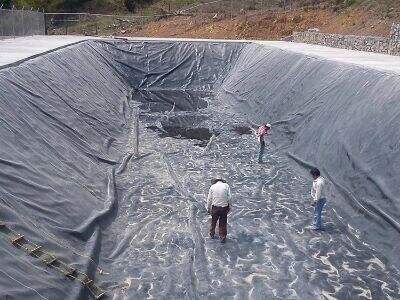
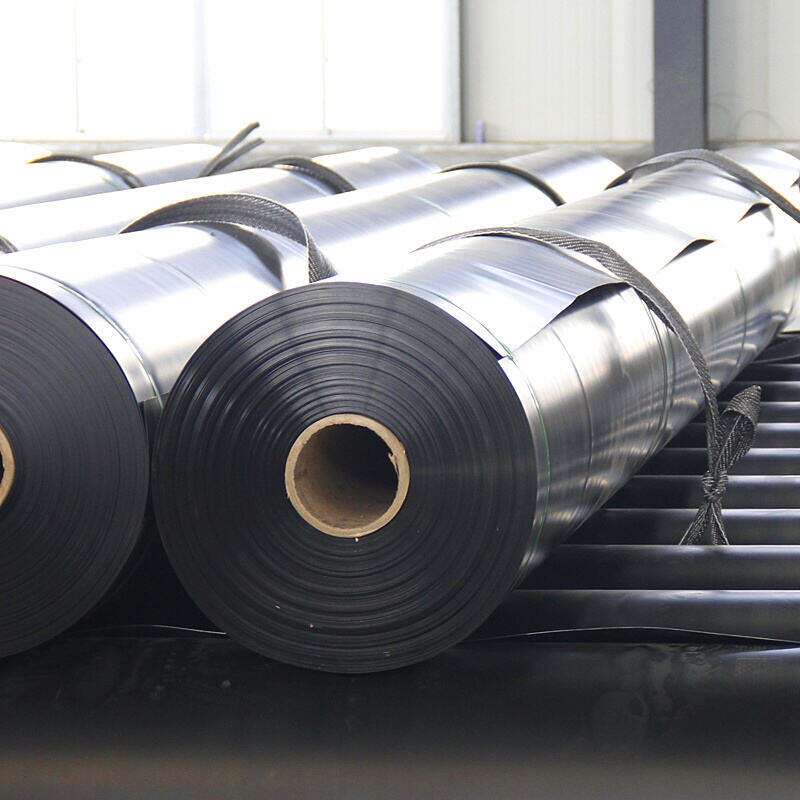
Geomembrane เป็นวัสดุชนิดพิเศษที่ผู้คนใช้งานในหลาย ๆ ด้าน โดยทั่วไปจะผลิตจากพลาสติก และมีความแข็งแรงและยืดหยุ่น ผู้คนใช้ geomembrane สำหรับงานต่าง ๆ เช่น การกักเก็บน้ำ การป้องกันการรั่วซึมของของเสีย และการคุ้มครองสิ่งแวดล้อม ที่ JRX เรามีการผลิต geomembrane คุณภาพสูงสำหรับอุตสาหกรรมต่าง ๆ ไม่ว่าจะเป็นการใช้งานในหลุมฝังกลบ ถังเก็บน้ำ หรืองานอื่น ๆ geomembrane ของเราช่วยบริหารจัดการทรัพยากรได้อย่างมีประสิทธิภาพมากขึ้น และช่วยปกป้องธรรมชาติให้ปลอดภัย
ประโยชน์หลักของ Geomembrane ในการใช้งานในหลุมฝังกลบ
การใช้ จีโอเมมเบรน ในหลุมฝังกลบมีความสำคัญอย่างยิ่ง ข้อดีข้อหนึ่งที่ใหญ่มากคือ ช่วยป้องกันมล waste ที่เป็นอันตรายไม่ให้รั่วซึมลงสู่ดินหรือน้ำ เมื่อขยะถูกทิ้งลงในหลุมฝังกลบ จะเกิดน้ำชะล้าง (leachate) ซึ่งเป็นของเหลวพิษที่สามารถซึมลงสู่ดินและแหล่งน้ำได้ แผ่นกันซึมแบบจีโอเมมเบรนทำหน้าที่เป็นอุปสรรคกั้น ป้องกันไม่ให้ของเหลวนี้รั่วไหลออก นี่เป็นสิ่งที่สำคัญมากในการรักษาคุณภาพน้ำดื่มให้สะอาดและปลอดภัย ตัวอย่างเช่น หลุมฝังกลบที่ใช้แผ่นกันซึมแบบจีโอเมมเบรนสามารถปกป้องแหล่งน้ำบริเวณใกล้เคียงจากการปนเปื้อนได้ นอกจากนี้ แผ่นกันซึมแบบจีโอเมมเบรนยังมีความแข็งแรงสูงมาก ทนทานต่อการใช้งานเป็นเวลานาน แม้ภายใต้แสงแดด สารเคมี และน้ำหนักกดทับที่หนัก ดังนั้น เมื่อติดตั้งแล้วจึงไม่จำเป็นต้องเปลี่ยนบ่อย ช่วยประหยัดทั้งต้นทุนและเวลา อีกทั้งยังช่วยลดกลิ่นไม่พึงประสงค์จากหลุมฝังกลบได้อีกด้วย โดยการคลุมขยะอย่างมิดชิดจะช่วยลดกลิ่นเหม็นรบกวนที่ส่งผลต่อประชาชนรอบข้าง หลุมฝังกลบที่ใช้แผ่นกันซึมแบบจีโอเมมเบรนยังมีความเป็นระเบียบมากขึ้นและสามารถรองรับขยะได้มากขึ้น เนื่องจากควบคุมการจัดเรียงกองขยะได้ดีขึ้น นี่จึงเป็นเหตุผลที่ทำให้การจัดการขยะมีประสิทธิภาพมากขึ้นสำหรับเมืองต่างๆ
แผ่นกันซึมแบบจีโอเมมเบรนช่วยในการกักเก็บน้ำและรักษาคุณภาพน้ำได้อย่างไร
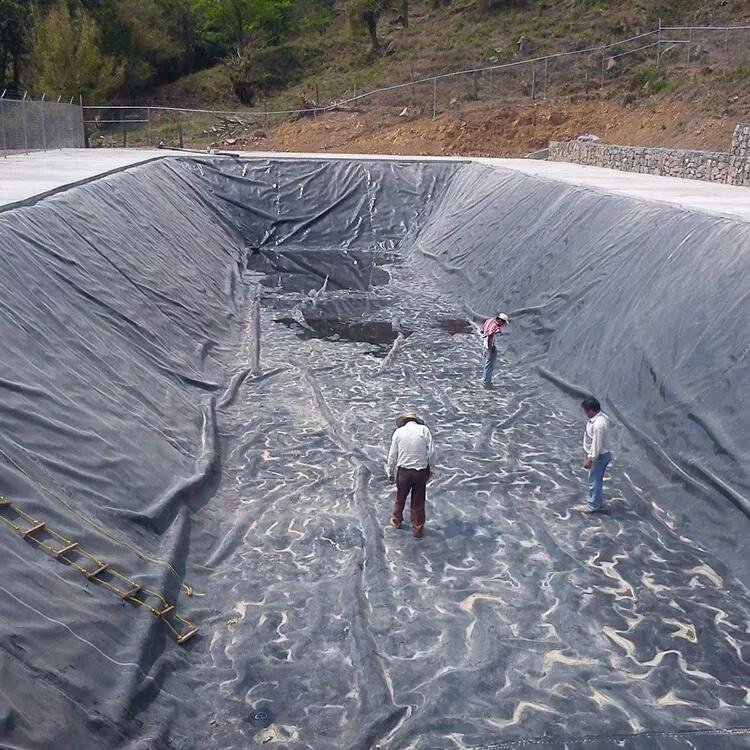
แผ่นกันซึมแบบจีโอเมมเบรนเหมาะสำหรับการเก็บกักน้ำไว้ในบริเวณที่ต้องการ โดยใช้ในสระน้ำ ทะเลสาบ และพื้นที่เพาะปลูก เกษตรกรสามารถเก็บน้ำไว้ใช้สำหรับการเพาะปลูก และแผ่นกันซึมแบบจีโอเมมเบรนจะป้องกันไม่ให้น้ำซึมหายไป ซึ่งมีประโยชน์อย่างยิ่งในพื้นที่แห้งแล้ง หากเกษตรกรวางแผ่นกันซึมแบบจีโอเมมเบรนใต้สระน้ำ จะสามารถเก็บน้ำฝนได้มากขึ้นและนำกลับมาใช้รดน้ำในภายหลัง ทำให้ผลิตอาหารได้มากขึ้นโดยไม่สูญเสียน้ำเปล่า นอกจากนี้ แผ่นกันซึมแบบจีโอเมมเบรนยังช่วยรักษาคุณภาพน้ำให้สะอาด หากมีสารเคมีหรือสิ่งสกปรกอยู่ใกล้เคียง แผ่นกันซึมแบบจีโอเมมเบรนจะป้องกันไม่ให้มลพิษเหล่านั้นปนเปื้อนลงในน้ำ ซึ่งมีความสำคัญยิ่งต่อคุณภาพน้ำที่เหมาะสมสำหรับการดื่มและการเลี้ยงสัตว์ ตัวอย่างเช่น แผ่นกันซึมแบบจีโอเมมเบรนที่ติดตั้งรอบอ่างเก็บน้ำจะช่วยป้องกันไม่ให้ดินและขยะปนเปื้อนน้ำ ที่ JRX เราตรวจสอบให้แน่ใจว่าแผ่นกันซึมแบบจีโอเมมเบรนของเราผลิตจากวัสดุที่ทนต่อสภาพอากาศที่แตกต่างกัน หมายความว่าสามารถใช้งานได้อย่างมีประสิทธิภาพในหลากหลายพื้นที่โดยไม่ฉีกขาด ความแข็งแรงทนทานของวัสดุนี้ทำให้สามารถเก็บกักน้ำได้อย่างปลอดภัยเป็นเวลาหลายปี ดังนั้น แผ่นกันซึมแบบจีโอเมมเบรนจึงช่วยในการจัดการน้ำอย่างมีประสิทธิภาพ ปกป้องธรรมชาติ และสนับสนุนการทำเกษตรอย่างยั่งยืน
สิ่งที่ควรระวัง
เมื่อใช้แผ่นกันซึมแบบจีโอเมมเบรน ท่านจำเป็นต้องใส่ใจปัจจัยบางประการเพื่อให้ทำงานได้อย่างถูกต้อง ก่อนอื่น ให้พิจารณาคุณภาพของ จีโอเมมเบรน ไม่ใช่ทั้งหมดที่ผลิตขึ้นมาเหมือนกัน บางชนิดมีความแข็งแรงกว่าและใช้งานได้นานกว่าชนิดอื่นๆ ที่ JRX เราให้ความสำคัญกับแผ่นกันซึมคุณภาพสูงที่สามารถทนต่อสภาพแวดล้อมที่รุนแรงได้ อีกปัจจัยหนึ่งที่ควรพิจารณาคือความหนา โดยทั่วไปแล้วแผ่นกันซึมที่มีความหนามักเหมาะสำหรับโครงการที่มีภาระหนัก ในขณะที่แผ่นที่บางกว่าจะเหมาะกับการใช้งานที่เบา นอกจากนี้ ยังต้องพิจารณาประเภทของวัสดุที่ใช้ วัสดุที่นิยมใช้กันทั่วไป ได้แก่ โพลีเอทิลีน (polyethylene) และพีวีซี (PVC) ซึ่งแต่ละชนิดมีจุดแข็งและจุดอ่อนที่แตกต่างกัน ดังนั้นจึงควรเลือกให้เหมาะสมกับงานของคุณ
นอกจากนี้ การติดตั้งแผ่นกันซึมยังมีความสำคัญอย่างยิ่ง หากติดตั้งไม่ถูกต้อง อาจทำให้เกิดความล้มเหลวและรั่วซึมได้ ดังนั้นจึงควรจ้างผู้เชี่ยวชาญที่มีความรู้ความเข้าใจในการติดตั้งอย่างถูกต้อง นอกจากนี้ ควรตรวจสอบสภาพอากาศด้วย เพราะอุณหภูมิสุดขั้วและฝนตกอาจส่งผลต่อประสิทธิภาพการทำงานของแผ่นกันซึม ดังนั้นควรวางแผนดำเนินโครงการในช่วงที่สภาพอากาศมีเสถียรภาพสูงสุด สุดท้ายนี้ ควรพิจารณาเรื่องการรับประกันสินค้า ที่ JRX เรามีบริการรับประกันเพื่อให้คุณมั่นใจในความคุ้มค่าของการลงทุนของคุณ หากคำนึงถึงปัจจัยเหล่านี้ทั้งหมด แผ่นกันซึมของคุณจะทำงานได้อย่างมีประสิทธิภาพและมีอายุการใช้งานยาวนาน
ประเภทแผ่นกันซึมที่ดีที่สุดสำหรับผู้ซื้อแบบขายส่ง
ผู้ซื้อส่งออกสำหรับแผ่นกันซึมแบบจีโอเมมเบรนควรทราบว่ามีหลายประเภท แต่ละประเภทมีข้อดีของตนเอง หนึ่งในประเภทที่ได้รับความนิยมคือพอลิเอทิลีนความหนาแน่นสูง (HDPE) ซึ่งมีความแข็งแรงสูงและทนต่อสารเคมี จึงเหมาะสำหรับการใช้งานหลากหลายประเภท โดยทั่วไป HDPE มักใช้ในหลุมฝังกลบและเหมืองแร่ อีกประเภทหนึ่งคือพอลิเอทิลีนความหนาแน่นต่ำ (LDPE) ซึ่งมีความยืดหยุ่นมากกว่า HDPE และบางครั้งจัดการได้ง่ายกว่า จึงมักใช้ในสระน้ำและอ่างเก็บน้ำ เนื่องจากสามารถยืดตัวได้โดยไม่ขาด
นอกจากนี้ ยางสังเคราะห์ชนิดเอทิลีน-โพรพิลีน-ไดอีน-โมโนเมอร์ (EPDM) ก็น่าสนใจเป็นพิเศษ ประเภทนี้มีความทนทานสูงและมีอายุการใช้งานยาวนาน แม้ในสภาพอากาศเลวร้าย มักใช้ในการทำหลังคาและงานด้านการเกษตร สำหรับการขายส่ง ผู้ซื้อควรพิจารณาความต้องการของลูกค้าอย่างรอบด้านเมื่อเลือกประเภทของจีโอเมมเบรน โดยพิจารณาจากปัจจัยแวดล้อม สารเคมีที่อาจสัมผัส และระยะเวลาที่ต้องการให้คงทน ที่ JRX เรามีสินค้าหลากหลายประเภทเพื่อตอบโจทย์ความต้องการที่แตกต่างกัน จึงช่วยให้ผู้ซื้อสามารถเลือกผลิตภัณฑ์ที่เหมาะสมที่สุดสำหรับลูกค้าของตน
จีโอเมมเบรนในภาคการเกษตร: ควรใช้ที่ใด
จีโอเมมเบรนมีประโยชน์อย่างยิ่งในภาคการเกษตร เพราะช่วยประหยัดน้ำและปกป้องพืชผล วิธีหนึ่งคือการใช้ในระบบชลประทาน โดยเกษตรกรจะนำจีโอเมมเบรนมาบุผิวด้านในของสระน้ำ จีโอเมมเบรน ใช้เพื่อป้องกันไม่ให้น้ำรั่วซึมลงสู่พื้นดิน ซึ่งช่วยประหยัดน้ำและทำให้มั่นใจได้ว่าพืชจะได้รับน้ำเพียงพอ โดยการใช้วัสดุเหล่านี้ เกษตรกรสามารถสร้างอ่างเก็บน้ำสำหรับน้ำฝนหรือน้ำไหลบ่าจากทุ่งนา น้ำที่เก็บไว้สามารถนำมาใช้ในช่วงแล้ง เพื่อช่วยให้พืชเจริญเติบโตแม้เมื่อปริมาณฝนต่ำ
อีกหนึ่งการใช้งานคือการป้องกันการกัดเซาะของดิน เกษตรกรจะคลุมบริเวณดินที่มีความเสี่ยงด้วยแผ่นGeomembrane ในช่วงที่มีฝนตกหนัก เพื่อรักษาดินให้อยู่กับที่และรักษาสารอาหารไว้ นอกจากนี้ สำหรับการเลี้ยงปลา แผ่นGeomembrane ยังใช้สร้างสระหรือถังเลี้ยงที่ช่วยให้ปลาปลอดภัยและควบคุมคุณภาพน้ำได้อย่างเหมาะสม ที่ JRX เราจัดจำหน่ายแผ่นGeomembrane ที่สนับสนุนการปฏิบัติด้านการเกษตร ช่วยเพิ่มประสิทธิภาพให้แก่เกษตรกร การใช้แผ่นGeomembrane จึงส่งผลดีต่อพืชผลและสิ่งแวดล้อม