 EN
EN
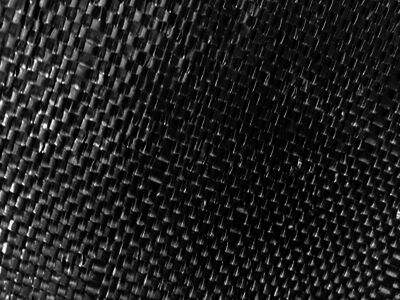
Geotextiles are special types of fabric used for many construction and landscaping projects. These fabrics are made of two types: woven and non-woven. Understanding the differences between the two types of geotextiles can help people decide on the type that's appropriate for their project. Woven geotextiles are created by weaving threads together in a fabric like the clothing worn by a person. These are long-lasting and very strong, while non-woven geotextiles bond fibers as it's being made; this is useful for many applications. Since JRX is a company that supplies both types of geotextiles it is important for folks to figure out the best uses for each type.
What are the differences between woven and non-woven geotextiles?
Woven geotextiles feel similar to the fabric that some clothing is made from. This kind is created by weaving threads together creating a compact, strong material that is perfect for any application where pressure needs to be withstand by the material such as a road or when holding back dirt from eroding a slope. They can stand great pressure; it's for these reasons they're used on construction sites and not for landscaping applications. Non-woven geotextiles are constructed differently. These materials are created by sticking the fibers from materials like polyester or polypropylene to one another. This creates a more pliable fabric that is perfect for allowing water through and stopping dirt from getting in the way. This means that if a task requires a lot of strength a woven should be chosen; on the other hand, if it is allowing water through a non-woven is perfect for this and many other projects.
Woven vs non-woven geotextiles are explained
Here are some additional details to further clarify what woven and non-woven geotextiles do. Woven geotextiles tend to be much tighter knit; this is because threads are woven together instead of stuck to each other. This is why they are better for applications where there is likely to be heavy stress or when it is imperative that a material resists stretching or tearing as seen when constructing roads or for walls. It's also good for keeping layers of dirt separate from one another. In contrast, non-woven tend to be a more flexible material, and are often used for landscaping where allowing water through is the main objective and dirt can remain contained. As an example, it might be used for a flower garden so that water doesn't stay on the surface, while keeping dirt and small particles contained. JRX carries a variety of different types and makes so that you can easily decide what works for you.
Woven and non-woven geotextiles are used for many purposes.
The unique fabric made from weaving together the threads in woven geotextiles is extremely strong; because it's so durable it's commonly used for things like roads and buildings since this material can handle a tremendous amount of pressure. Non-woven geotextiles are more malleable because the fibers aren't interwoven but are instead bonded to each other. Because of this difference they work very well for allowing water to filter through while simultaneously containing soil. For this reason, non-woven geotextiles are best for landscaping applications and areas where there's a need for water management. JRX is a company that supplies both woven and non-woven geotextiles so you can choose the material that's best for your project needs.
Applications that could really benefit from woven and non-woven geotextiles include building construction, farming, and environmental engineering. In building construction woven geotextiles are used for reinforcing and stabilizing structures such as roads, for the reason that the geotextiles disperse the pressure of heavy loads evenly across the entire foundation area making the roads more stable. Non-woven geotextiles are more ideal for drainage applications on construction sites and will allow the flow of water while preventing the retention of soil particles. In farming applications, the addition of non-woven geotextiles to soil greatly enriches it, while the addition of woven geotextiles to soil has an element of weed control. The environmental field uses both non-woven and woven geotextiles quite heavily for both controlling erosion along banks of rivers and for landfill containment, the woven types of geotextiles serve to isolate the trash from the surrounding soil. JRX is pleased to supply all types of geotextiles.
The type of geotextile you choose depends on your application.
If the intended purpose is to provide great strength or a very stable application, woven geotextiles are the better choice since it offers better stress distribution and reduced chances of tearing. Non-woven geotextiles offer great water filtration benefits as they allow water to flow through them while maintaining the integrity of soil on one side, so they're typically a good option for areas with heavy rainfall where there's a need to control the movement of soil or debris. At JRX we're happy to guide you towards the geotextile that fits best for your specific project and needs.
You can find great deals on geotextiles that can save you a lot of money. JRX carries wholesale priced geotextiles, which are highly competitive on the market. You'll need to research from suppliers to get the best deals and value, while considering the overall quality and price. Sometimes paying more money for a product is better if it works well; the cheap option could end up being more costly down the road. You can find useful reviews of the products from other users to make an informed choice. Buying bulk also offers the opportunity to get discounts on larger projects that may require it. JRX is able to provide you with the highest quality at affordable prices so you get the best value from your geotextile investment.