 EN
EN

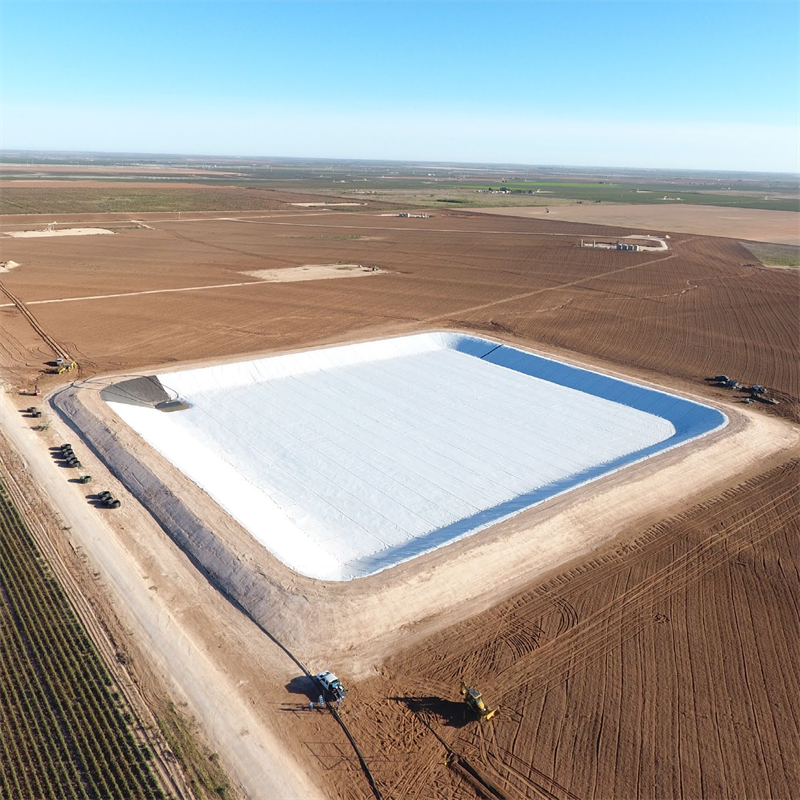
Laying geotextile fabric is an important job that help in many projects. This fabric get used in fields like construction, landscaping, and road building. JRX, a trusted name in industrial making, provide high-quality geotextile fabric that make your projects easier and more effective. In this article, we go through the benefits of using geotextile fabric and how to install it properly so it last long time.
What Are the Benefits of Using Geotextile Fabric in Wholesale Applications?
Using geotextile fabric have many advantages, especially in wholesale uses. First, it help with soil separation. When you lay the fabric, it keep different soils apart, which prevent mixing that cause problems later. For example, if building a road on soft soil, the fabric keep the road material from sinking in ground. This make the road stronger and last longer. Second, geotextile fabric let water pass through while filtering dirt and particles. This is helpful in drainage systems. It keep water flowing and prevent clogging, which can damage the system. Another benefit is it control erosion. When rain come, water can wash soil away, but fabric hold soil in place, protecting your project. This useful for landscaping where you want to keep garden or yard beauty. Lastly, using geotextile fabric can save money. There initial cost to buy, but it prevent expensive repairs later. That’s why it a smart investment for improving projects. JRX offer wide range of geotextile products that fit needs, ensuring right type for your application.
How to Properly Install Geotextile Fabric for Maximum Durability
Installing geotextile fabric correctly is key to ensure it work well and last long. First, before lay the fabric, prepare area. Clear rocks, sticks, or debris that can damage it. This step important because clean surface help fabric lay flat. Next, roll out the geotextile fabric over area to cover. Make sure overlap edges by about 12 inches. This overlap crucial as it prevent water seeping under. If on slope, lay fabric from top to bottom. So that the water flows over without raising it. Lay fabric, then secure. You can use stakes or pins to keep from moving. Sandbags along edges may be useful for areas of large size. After installing, apply the next layer such as gravel or ground cover. Don’t drag heavy equipment over fabric, as this tear it. But instead, walks carefully or walks on boards to distribute weight. Lastly, test fabric post-install. Check for loose or damaged areas. Now is the time to make adjustments so there are no big problems later. These steps will help make geotextile fabric as long-lasting as possible, fulfilling its purpose well. JRX products are made to be easy to install, and easy to get good results.
How to Determine the Best Geotextile Fabric for Your Specific Needs
It's very crucial to select the right geotextile fabric for the project. Geotextile fabrics are unique fabric types which aid soil and water management. They are a variety of types and have various functions. First, consider what you want to use the fabric in order to make a decision. Do you weed? Regulate water in drainage? Once you know this, you will be able to determine the type you want to use. There two main kinds: woven and non-woven. There are woven and non-woven, each has strong and good characteristics; woven is suitable to reinforce soil, while non-woven is suitable to filter water.
Then, think about environment to use fabric. If you are exposed to moisture or sunlight, you may need to get one that can resist those. JRX provide a broad range of tough weather geotextile fabrics. Also, consider thickness. The thicker the ones, the stronger they will be and the longer they will last, but they will cost more. Finally, check permeability. This how well water pass through. Good permeability is an essential if need control water.
To select the best geotextile fabric, ask what you are using it for, take care of the environment, think thickness and assess permeability. With this, you will easily discover the proper fabric, thereby making the project simpler and effective. If you're looking for the right one, JRX can assist you in getting it right!
What Are the Most Effective Techniques for Laying Geotextile Fabric?
Laying geotextile fabric seem easy, but important techniques to follow for do it right. First, set up area for putting down fabric. This means rocks, sticks or weeds that are not covered in snow. Clean area assistance fabric works better. Then unroll fabric. Make sure lay flat without wrinkles. We have certain issues because of wrinkles such as water not draining properly.
Then, fold the edges of the fabric over each other. Keep all things in place and avoid soil wash away by overlapping. For a good seal, JRX recommend a minimum of 12 inches of overlap. Use stakes or pins to hold down while work. This will prevent it from moving.
Once laid, cover with soil or gravel. Be gentle adding material on top, so don’t tear fabric. Light touch used is best. If cutting from a piece of cloth, use sharp scissors/knife and make straight cuts. Check work after finished, laid and covered. Make sure all surfaces level and stable. These will enable project to maintain its strength for long term.
What Are the Latest Trends in Geotextile Fabric for Wholesale Buyers?
It is important for wholesale buyers to stay updated on the latest developments in geotextile fabric. One big trend eco-friendly materials. More people aware of environment, and want safe sustainable products. The JRX emphasis is on recycled materials to create geotextiles. This help planet and draw in customers are concerned with green stuff.
Another trend is smart technology in fabrics. There are some new ones that keep an eye on soil or moisture levels. This will help to know when water plants or improve drainage. These smart fabrics are time and cost efficient, as well as a call for advanced solutions.
In addition, customization get more popular. Consumers demand fabrics that are customized to their requirements. JRX are aware of and provide thickness, width and permeability options. This allowed for buyers to obtain the results they were looking for for projects.
Last but not least, the need for geotextile cloth in fields such as construction to agriculture. Wholesale buyers can have opportunity to expand offerings with recognition of benefits. Stay updated means smart buying and providing of best products.
Table of Contents
- What Are the Benefits of Using Geotextile Fabric in Wholesale Applications?
- How to Properly Install Geotextile Fabric for Maximum Durability
- How to Determine the Best Geotextile Fabric for Your Specific Needs
- What Are the Most Effective Techniques for Laying Geotextile Fabric?
- What Are the Latest Trends in Geotextile Fabric for Wholesale Buyers?