 EN
EN

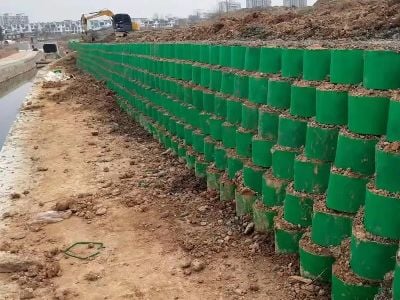
Installing geocell is a good way to make soil stronger and build solid paths or areas.
Geocell setups, like from JRX, helps control erosion and hold up weights. They made from tough stuff that shapes into a honeycomb pattern. When you install it right, geocell can stop soil from washing off and aids with water draining. The process isn't too hard, but it need some steps to get it done properly. Let's go over how to put in geocell slope protection and handle common troubles you might run into.
One usual problem with installing geocell is not getting the ground ready good. If the ground aren't flat or got big rocks, the geocell might not lay right. To fix, begin by clearing the spot you want for the geocell. Take out rocks, sticks, or other junk. It's key to level the ground as best you can. Sometimes, you may add gravel or sand layer for a even surface. Another trouble is water draining. If puddles show up, the geocell won't work like it should. Check the ground's slope for sure. You can dig ditches for drainage or put in gravel to aid water moving. If the geocell bulges or lifts up after, it probably because it ain't filled full. Use soil, gravel, or grass to stuff the cells all the way. This keeps the geocell steady and gives the support it needs. For any surprise issues, just contact JRX for some advice.
Installing geocell also require basic tools. You’ll need a shovel to prep the ground. A rake helps level things, and a tamper is handy for packing soil down. For bigger geocell parts, a utility knife can cut them to fit. Tape measure might come in use to check sizes. A level is useful to see if ground is flat. And gloves protect your hands during work. These tools make the job easier and let you do it better. Get everything set before starting to use hdpe geocell. Being ready keeps things going smooth and avoid delays. It feels great to see your effort become a strong and dependable surface, with right tools, you can do that using JRX geocell.
How to Make Sure Good Drainage with Geocell?
When using geocell, it's key to let water flow away easy. This keep the spot dry and stop mud or puddles. For proper drainage, pick the right place for install. Look where water pools and plan geocell there. JRX geocells hold soil and gravel, which let water drain through simple. Before laying geocell, clear big rocks and plants. This help it sit flat and perform better.
Next, put a layer of gravel or sand down where geocell go. This base acts as sponge, taking water and letting it pass thru the geocell. After base is ready, unfold JRX geocell and lay it on the gravel. Ensure cells open and not twisted. If twisted, water can't flow right.
After placing, fill cells with more gravel or soil. This hold geocell in place and adds drainage. Spread material even with rake so all holes full. Don't pack too tight, because that block water. Once filled, test by pouring water on top and see if it drains fast. If it do, you did well.
Where to Get Help on Geocell Install Tips?
Putting in geocell can look tough, but there ways to get guidance. Best one is JRX website. There, guides and videos show step by step how to install. They easy to get, even for newbies. Watch videos to see experts do it and follow at home. If you like reading, guides give clear steps and hints.
You can also talk to folks with geocell experience. Check local build groups or online forums for JRX users. They share stories and tips that help a lot. Sometimes, new ideas come up.
For hands-on aid, hire a pro who know geocell install. They show best ways and ensure it's correct. It cost more, but save time and skip errors. That's why expert help is good for learning and success on your geocell job.
Things to Think About Picking Geocell for Project
When choosing geocell for your work, think on some important stuff. First, area size where you install. JRX geocells come in varies sizes, so pick one that fit your space. For big areas, you might need larger ones or more to cover all.
Next, what you fill it with. Soil, gravel, or other? Materials change how geocell perform. Like, gravel aid drainage, soil support plants. Choose based on area use.
Also, consider ground type. If soft or muddy, get stronger geocells that hold up. Check JRX specs for best fit. Last, climate matters. In rainy places, make sure good drainage. By considering these, you have pick right geocell erosion control and it work well for needs.