 EN
EN

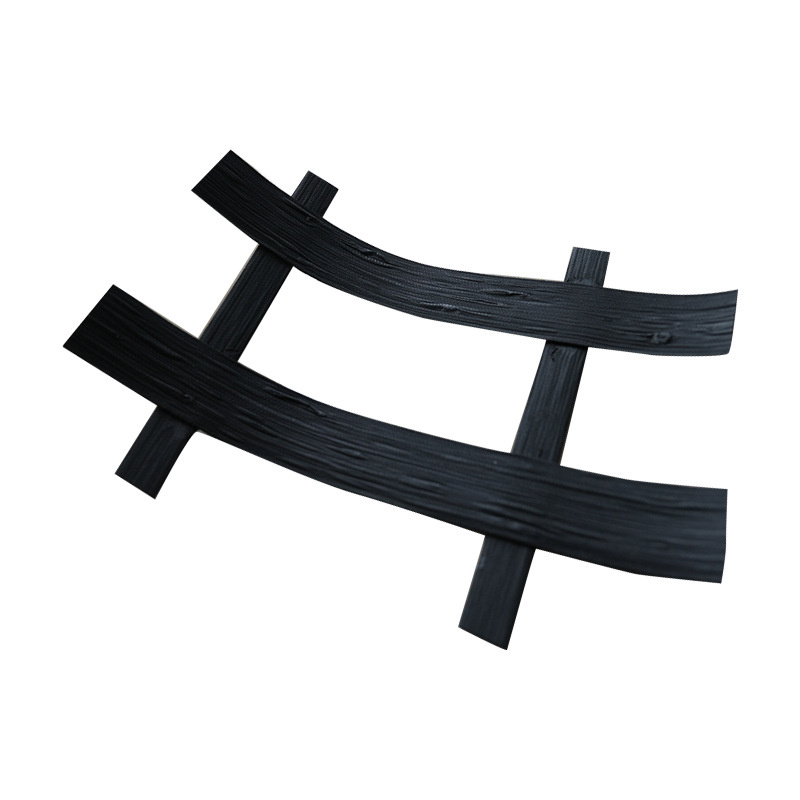
Installing geogrid can help make soil stronger and improve ground steadiness. It get used often in building and yard work to support roads, walls that hold back soil, and other things. If you want know how to put in geogrid, follow these steps for a good and safe job. At JRX, we offer good quality fiberglass geogrid products that can fit your needs. Let’s start!
A Step-by-Step Guide for Bulk Buyers
When you buy geogrid in large amounts from JRX, it’s important to know how install it. First, prepare the site by clearing debris, rocks, or plants from the area. You want a flat surface so it works best. Next, lay down the geogrid carefully, making sure it align right. And if on a slope, place it in the correct way because it will hold the soil better that way.
After that, secure the geogrid. Use anchors or stakes to keep edges down, this is key since if it moves, it won’t do good. Once secured, cover it with soil and fill gaps, then compact it well. This help the geogrid bond with soil and boost strength. Depending on your build, you might add more layers. Always check the instructions with your JRX geogrid.
In some cases, add drainage material over it to stop water pooling, which can weaken things later. After install, check if everything holds. A solid job will last longer, so take time to do right.
What Common Problems Come Up with Geogrid Install?
Even with planning, issues can arise when putting in geogrid. One usual problem is bad soil prep. If ground isn’t level or have big rocks, the geogrid won’t function right, leading to settling over time. Another is wrong alignment. If not laid straight, it may not give needed support. So double-check lines before secure it.
Sometimes folks forget to anchor edges tight. If not held well, it can shift when soil packed or heavy loads come. This ruin the project. Also, wrong fill material cause trouble. Use right soil type so geogrid mesh work effectively. If too loose or sand, it may not hold.
Water drainage another worry. If water collect on top, it could wash soil under, causing erosion and weaken structure. To avoid, have good drainage set up. And people sometimes skip maintenance. After, check area regular for shifting signs. That way, catch problems early.
At JRX, we want your install to succeed. By knowing these issues and fix them, your project will be strong and last years.
How to Get More from Geogrid in Projects?
Using geogrid in builds can make them tougher and longer lasting. To max benefits, understand what it is and how works. Geogrid is strong mesh from plastic or polyster, used in roads, retaining walls, to hold together. Best way to max it is pick right type for project. Like for road, need one for heavy loads, wall need stability focus.
Placement matter a lot. Lay flat, avoid wrinkles because they reduce strength. JRX say check ground first, it should be compacted even for stable base. If not level, geogrid can shift or break later. Also, cover with right soil amount. Too little expose it, too much make less effective. These tips enhance geogrid, make projects reliable.
Best Practices for Using Geogrid in Builds
To use geogrid good, follow some best ways. First, read instructions from JRX geogrid. Each type have different needs, so know them avoid mistakes. Before start, plan project. Know where geogrid go and what materials need, this save time and help efficient.
Another practice is have right tools, like shovels, compactors for prep area. Right tools make install smoother. When putting in, work sections. Focus each part correct before next. Use stakes to hold if needed. After, check flat and no obstacles. These practices help get most from geogrid, make builds success.
Troubleshoot Geogrid Install Problems
Even best plans, problems sometimes happen with geogrid install. One issue is it not stay flat after. If wrinkles or shifting, check under ground. Maybe not compacted full, cause move. Then, remove geogrid, compact better, reinstall careful.
Another problem, cover material not enough. If thin, expose to elements, weaken over time. JRX suggest use enough soil or gravel to cover proper. If light, add more for protection. Water can issue too. If rain before done, wash soil, expose geogrid. Prevent by work dry day, cover if rain come. Knowing to troubleshoot the geogrid helps to make installation success, projects strong lasting.