 EN
EN
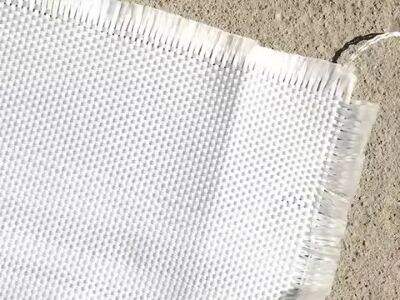
Geotextiles are a variety of cloths that are utilized in many building and landscaping projects. They act as a membrane separating soil from other elements and are useful for a number of tasks that enhance drainage, prevent erosion and prevent constructions from collapsing. A lot of people question whether or not geotextiles are a useful product but, when most of your building and landscaping needs come into account, they definitely are. Installing geotextiles on your job will save you time and a significant amount of money due to the fact that it will prevent you from having soil washed away or excessive water collection and careful work will prevent costlier rework. JRX fully understands the significance of quality fabric geotextile for different applications and we are here to illuminate you.
When choosing the right geotextile, you first need to determine its use.
Are you building a road, a garden or installing an irrigation system? This will narrow down your choices when selecting your geotextile fabric. The two primary types of geotextile fabrics are woven and non-woven. The woven type is sturdy and ideal for tough jobs like roads or building sites, while the non-woven fabric is softer, used mainly for drainage and filtering, making it an excellent choice for your garden or landscaping. You should also consider the size of your project. A smaller job might not require a heavy duty fabric, whereas for larger tasks a more durable option would be suitable. At JRX, we provide a variety of geotextiles to meet every requirement. Always pay attention to the quality of the fabric as well as its UV and chemical resistance. The reason this is so important is that if the fabric does not hold up in conditions it's subjected to, then it simply won't last for long. Finally, you must weigh the cost of the geotextile against your budget, although a more expensive option is often worth it in the long run because it's of higher quality.
Despite their utility, there can be problems when it comes to installing geotextiles.
One of the most prevalent is incorrect installation, which can cause water to pool or erosion to occur. For example, if the geotextile is installed too loosely it may shift over time resulting in the upper layer mixing with the underlying soil. Not only would this create a mess, but it could potentially ruin your project altogether. The other issue one might encounter is installation of the incorrect type of fabric. It might, for example, be appropriate to install a non-woven geotextile if good draining is required rather than the woven type, where the soil particles would be contained. It is always recommended to observe the soil in the area where it will be installed as wet soil will impact upon how the geotextile functions. JRX advises that the area should first be assessed to prevent these issues from arising. In addition, the weather is something one must take into account as a heavy shower or flood could damage a geotextile that is not sufficiently robust, making adequate pre-planning important.
Geotextiles are widely utilized in construction and landscaping as effective soil and erosion control materials.
These fabrics are manufactured from synthetic materials and serve to manage soil and water. Different types of geotextiles have distinct qualities and functions. Woven and non-woven geotextiles are best for controlling erosion. Threads are woven together to create woven geotextiles, resulting in a fabric that is both strong and durable, suitable for stabilizing a large quantity of soil in places such as hillsides or slopes. Non-woven geotextiles are formed by bonding together the fibres; these allow water to flow through while keeping soil in place. Non-woven geotextiles are best utilized in areas where there is a lot of water to drainage, such as riverbanks. The other type of soil and erosion control material are geogrids which are constructed using extremely strong grids which are capable of reinforcing soil and also work in conjunction with geotextiles. JRX provide a variety of geotextiles to suit various purposes and it's essential to take into account factors such as type of soil and location when selecting one. Sandy soil for instance might be better stabilized with a non-woven geotextile, whereas the woven variety could hold a slope with soil at an angle to maintain it. A geotextile will control erosion as well as stabilize the ground it covers.
It's difficult to find inexpensive geotextiles when you need large quantities, however it's achievable if you plan carefully. For bulk orders the prices are generally more favorable; buying your geotextiles from JRX will give you excellent quality for affordable prices. It is worthwhile to do some comparison shopping in order to ascertain the lowest cost from suppliers of the type you require. In addition to cost you need to take into consideration any shipping fees, as when ordering in bulk they could significantly add to the price; locally sourced suppliers may indeed charge less for shipping. Furthermore you need to consider quality of geotextile. Cheap geotextiles will temptation your wallet but it will come at cost of extra work and expenditure on repairs down the line. Choosing good quality Geotextile will prevent a lot of stress in the future. Also search for discounts when buying in bulk-suppliers like JRX will have them. Speaking to people in the construction industry may offer a great idea about cheap suppliers.
Wholesale buyers should consider a number of factors before purchasing geotextiles for their operations.
The first thing is to understand the client's needs based on project type. This includes the type of soil, what level of water drainage is necessary and also the end product. An area that experiences a high amount of rainfall would require a geotextile which is able to drain well. At JRX, you will find that each geotextile fabric has its information recorded on it in detail in order to make buying choices as simple as possible. Product quality is another important factor. Suppliers should always be reliable and offer the appropriate testing documentation to demonstrate product performance. Warranty is a great advantage as well as this provides cover if the product is not functioning as it should be. The supplier themselves must also have a good reputation for offering high standards and great service. Delivery times and efficiency are key for larger projects, as construction works could run behind due to late deliveries. It can also be beneficial to consider the level of support provided by a supplier. For example, some may provide installation guidance for less experienced contractors.
Table of Contents
- When choosing the right geotextile, you first need to determine its use.
- Despite their utility, there can be problems when it comes to installing geotextiles.
- Geotextiles are widely utilized in construction and landscaping as effective soil and erosion control materials.
- Wholesale buyers should consider a number of factors before purchasing geotextiles for their operations.