Project Type: Large-Scale Intensive Shrimp Farm Pond Construction
Location: South Sulawesi Province, Indonesia (core shrimp farming hub)
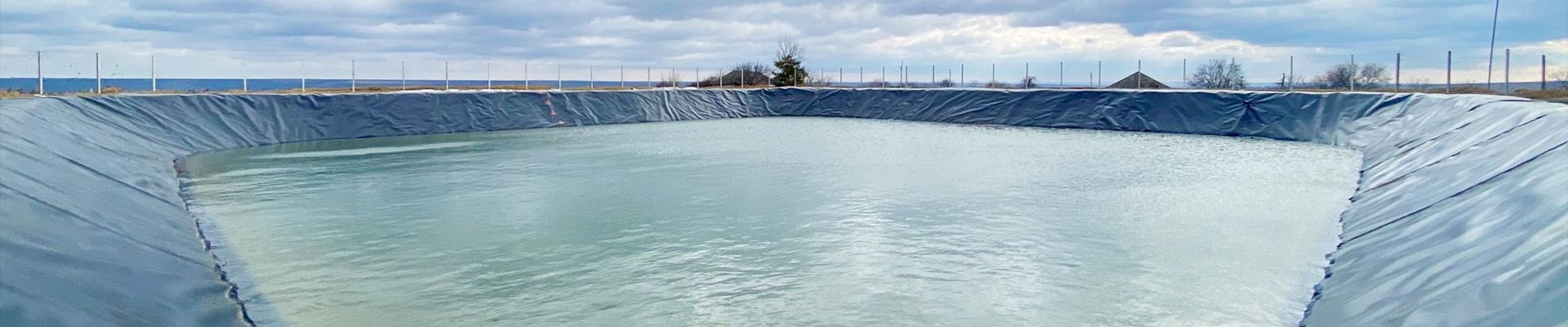
Scale: 15 shrimp ponds with total area of 12,000㎡, average depth of 1.8m; mainly for Penaeus vannamei farming
Core Demands: Solve water seepage problem in brackish water ponds to maintain stable salinity and water level; ensure geomembrane is non-toxic and safe for shrimp growth; resist corrosion of brackish water and aquaculture drugs; adapt to local tropical hot and rainy climate; meet Indonesian Ministry of Marine Affairs and Fisheries (KKP) aquaculture safety standards.
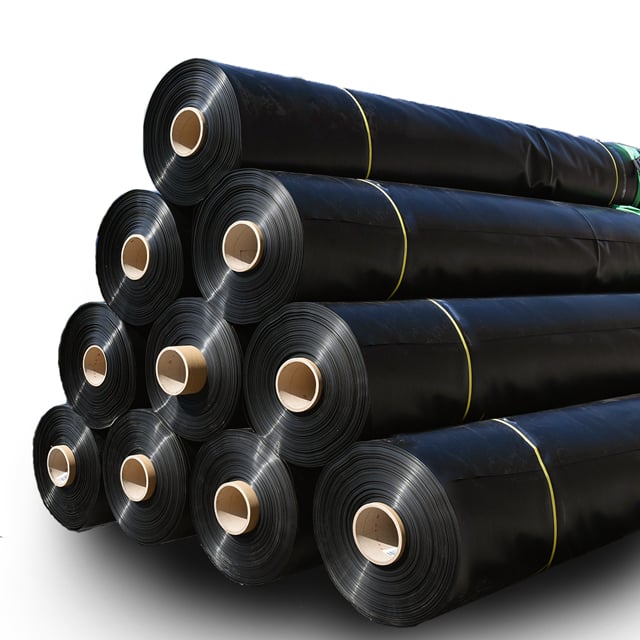
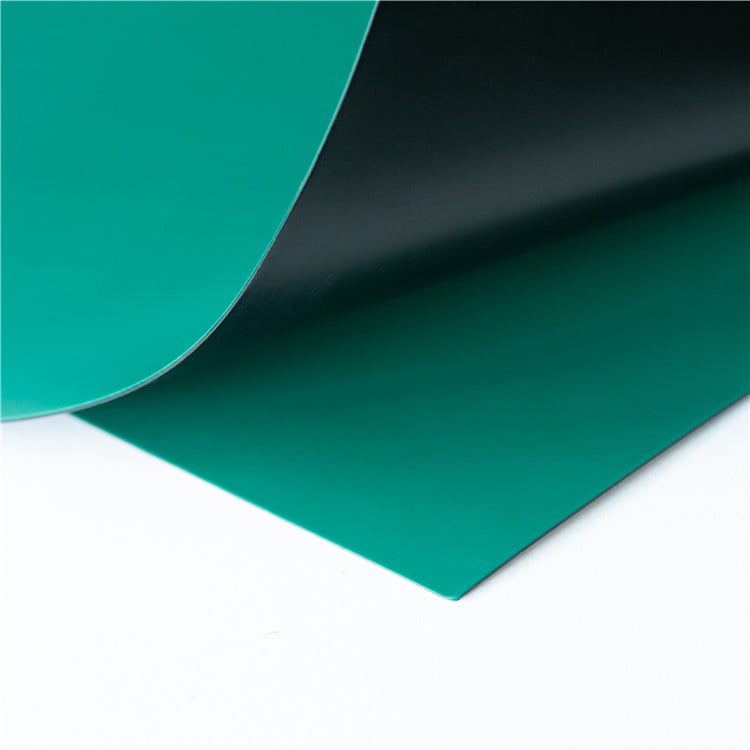
The project adopted our 1.2mm food-grade HDPE geomembrane, which fully complies with CAC standards and Indonesian Ministry of Marine Affairs and Fisheries (KKP) aquaculture safety requirements. It is specially optimized for shrimp farming scenarios with 5 core advantages:
Efficient Anti-Seepage & Salinity Retention: Permeability coefficient ≤1×10⁻¹³ cm/s, reducing water seepage loss by over 98%. Effectively maintains stable salinity in shrimp ponds, avoiding frequent water change and salt loss costs.
Non-Toxic & Shrimp-Safe: Made of 100% new HDPE raw materials, non-toxic and odorless, no harmful substances leach out. Passed food contact safety tests, fully meeting the requirements of safe shrimp farming.
Strong Corrosion & Climate Resistance: Resists corrosion of brackish water, aquaculture antibiotics, and shrimp excrement. Equipped with enhanced UV-resistant additives, it can withstand intense sunlight and heavy tropical rains in Indonesia, with a service life of over 25 years.
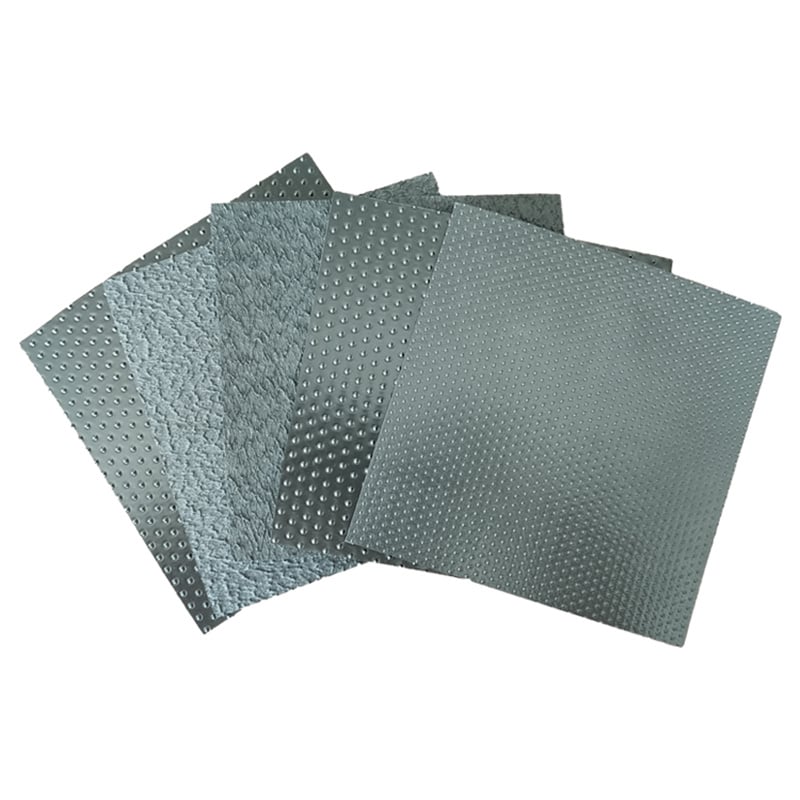
Smooth Surface & Easy Management: Smooth surface prevents sludge accumulation and bacterial growth, facilitating pond cleaning and shrimp feeding. Reduces the risk of shrimp disease and improves water quality management efficiency.
Customizable & Easy Construction: We provide customized services for thickness (0.8-2.0mm) and width according to pond size and farming density. Hot-melt welding construction is efficient, with weld seam qualification rate 100%, shortening the construction period.
1. Pond Foundation Treatment: Level the bottom and slope of shrimp ponds, remove sharp objects (stones, glass, tree roots), and compact the soil to prevent geomembrane puncture. For low-lying areas, conduct anti-settling treatment.
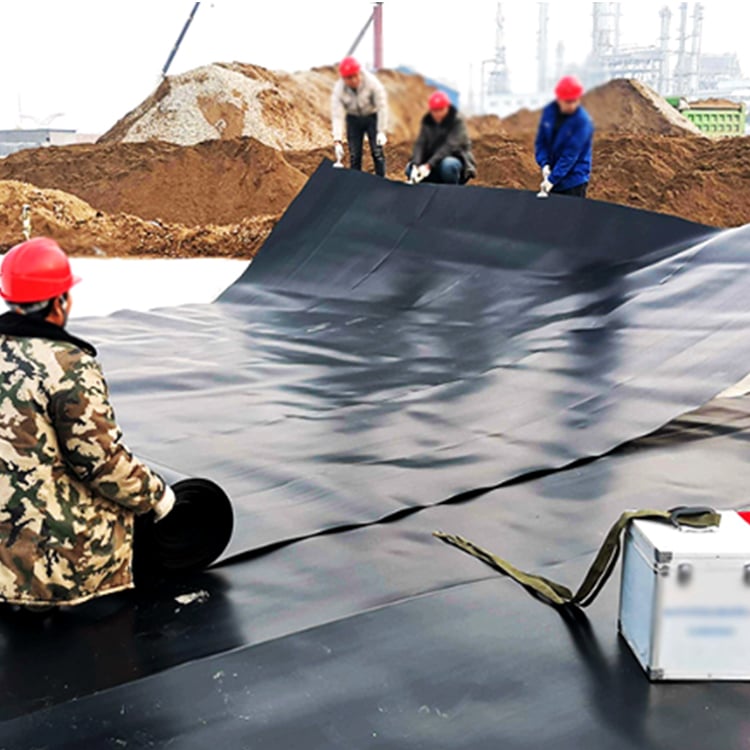
2. Geomembrane Laying: Lay the geomembrane from the pond bottom to the slope, with overlap width ≥15cm between adjacent membranes. Avoid tension and wrinkles to ensure close fit with the foundation, especially at the pond edge and drainage outlets.
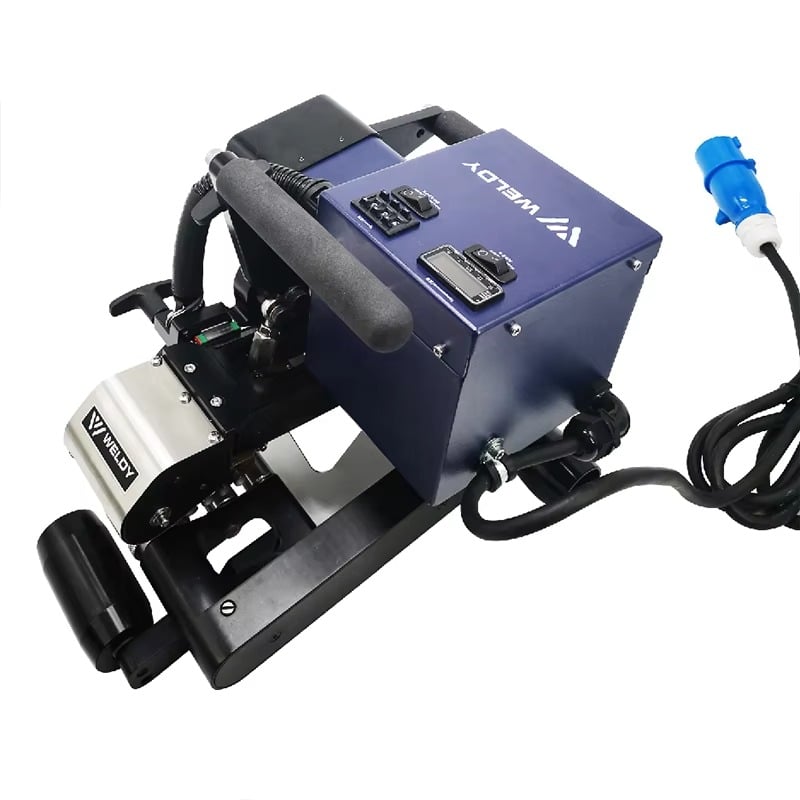
3. Welding & Sealing: Use professional double-track hot-melt welding machines for large-area welding; for corners and pipe connections, use manual welding guns for precise sealing. Conduct air pressure tests on all weld seams to ensure no water seepage.
4. Post-Construction Inspection: Conduct water filling test and vacuum box leak detection. After confirming no seepage, lay a thin layer of fine sand on the membrane surface (protects geomembrane and provides a suitable habitat for shrimp) before putting into use.
Shrimp Farming Benefit
After 2 farming cycles (8 months), the shrimp survival rate reached 85% (20% higher than traditional soil ponds), the average weight of adult shrimp increased by 15%, and the per hectare yield increased by 30%.
Cost Saving Effect
Water change frequency reduced by 60%, salt and water costs saved by 40%. Reduced shrimp disease rate, saving aquaculture drug costs by 35%.
Stability Performance
The geomembrane remained intact under tropical high-temperature (34-40℃) and rainy conditions, with no aging, cracking or leakage. Water quality and salinity remained stable, ensuring continuous and stable farming.
Our HDPE geomembrane is the preferred choice for shrimp farms in Indonesia, suitable for Penaeus vannamei, Penaeus monodon and other species. We offer free samples and customized services – contact us now to get your sample and a tailored solution that meets Indonesian KKP standards!
 EN
EN