Project Type: Large-Scale Intensive Fish Farming Pond Renovation
Location: Luzon Island, Philippines
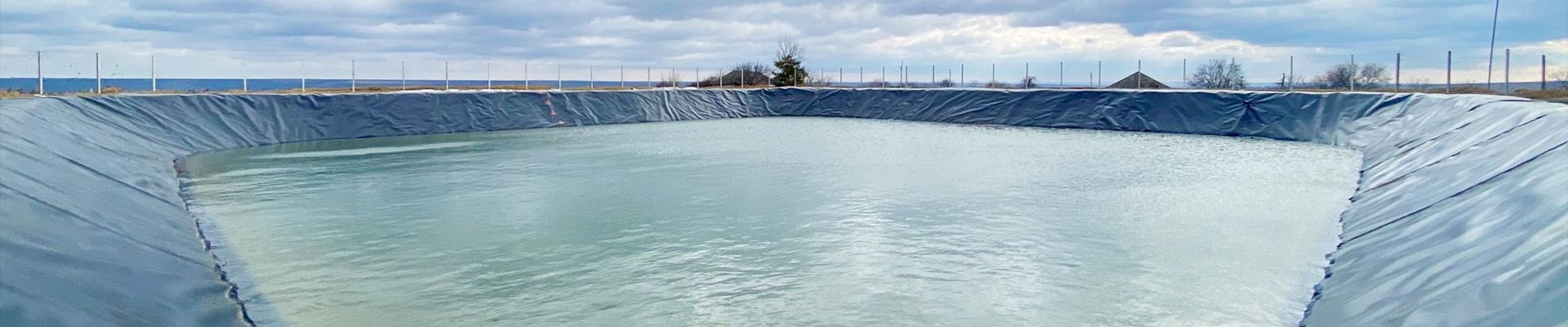
Scale: 12 fish ponds with a total area of 8,000㎡, average depth of 2.5m
Core Demands: Solve water seepage problem in brackish water ponds to maintain stable water level; prevent soil contamination of aquaculture water; resist erosion of aquaculture drugs and fish/shrimp excrement; meet CAC and Philippine DA-BFAR safety standards to ensure safe and efficient farming.
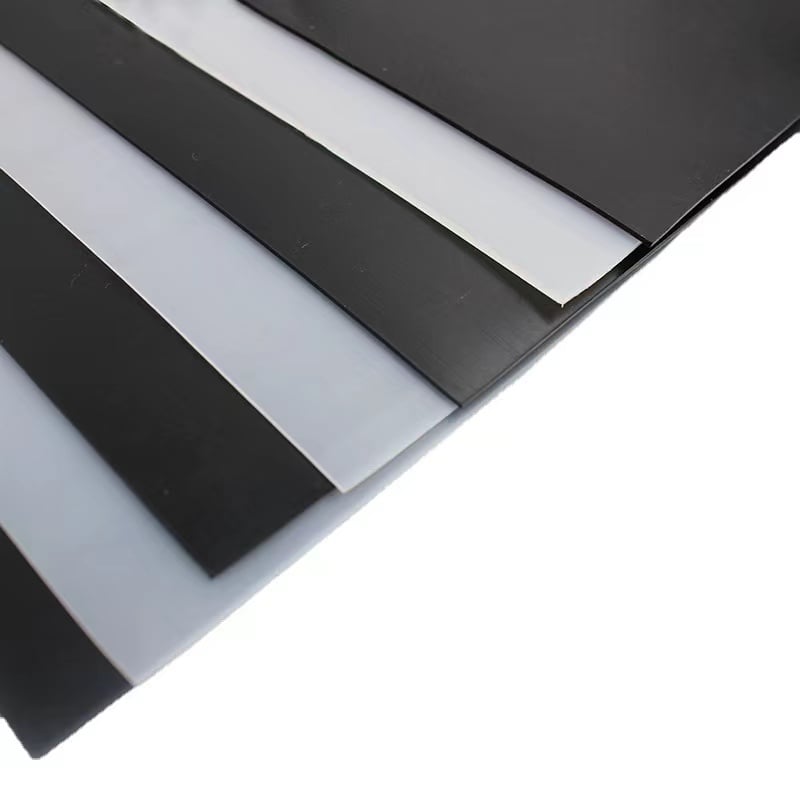
The project adopted our 1.0mm food-grade HDPE geomembrane, which fully complies with Codex Alimentarius Commission (CAC) standards and relevant aquaculture safety requirements of the Philippine Department of Agriculture - Bureau of Fisheries and Aquatic Resources (DA-BFAR). It is specially designed for Philippine brackish and freshwater fish pond scenarios with 4 key advantages:
High-Efficiency Anti-Seepage: The permeability coefficient is far lower than the industry standard, which can reduce water seepage loss by more than 98%. It effectively saves water resources and avoids the trouble of frequent water replenishment.
Safe & Corrosion-Resistant: Made of food-grade HDPE raw materials, non-toxic and odorless, no harmful substances leach out, which meets the safety requirements of aquaculture. It can resist the corrosion of aquaculture antibiotics, fish excrement and other chemical substances, and has no impact on fish growth.
Smooth Surface & Easy to Manage: The surface of the geomembrane is smooth, which is not easy to breed bacteria and algae, and convenient for cleaning the pond and managing fish schools. It also reduces the adhesion of fish excrement, improving the water quality of the fish pond.
Durable & Easy to Construct: It has excellent weather resistance and aging resistance, and can be used stably for more than 25 years in outdoor environments. It can be quickly laid and welded by hot-melt technology, with short construction period and low comprehensive cost.
1. Pond Foundation Treatment: Level the bottom and slope of the fish pond, remove sharp objects such as stones, glass and tree roots, and compact the soil to prevent the geomembrane from being punctured.
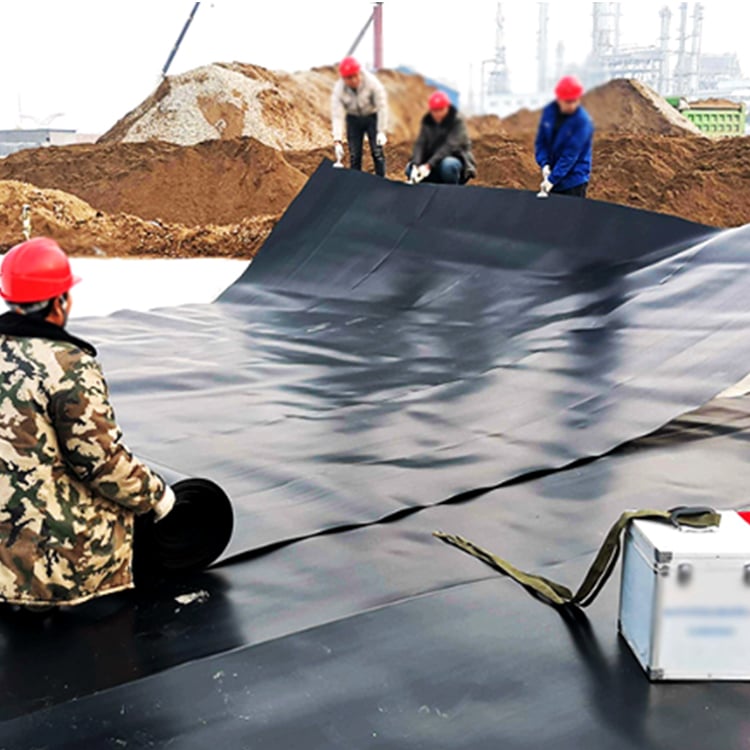
2. Geomembrane Laying: Lay the geomembrane from the bottom of the pond to the slope, with an overlap width of ≥15cm between adjacent membranes. Avoid tension and wrinkles during laying to ensure close fit with the foundation.
3. Welding & Sealing: Use a professional double-track hot-melt welding machine to weld the overlapping parts, and conduct a pressure test on each weld seam to ensure no water seepage.
4. Post-Construction Inspection: Conduct a full-area leak detection test on the fish pond by means of water filling test and vacuum box test, with a qualification rate of 100% before putting into use.
Water Conservation Effect
After 8 months of operation, the water seepage rate of the fish pond is less than 2%, which saves about 30% of water replenishment cost compared with the original soil pond.
Farming Benefit
The water quality is stable, the disease rate of milkfish and shrimp is reduced by 40%, the survival rate of fry is increased by 15%, and the per hectare yield is increased by about 20%.
Comprehensive Cost
The one-time construction cost is low, and there is almost no maintenance cost in the later period. The investment can be recovered in 1-2 breeding cycles.
Our HDPE geomembrane is suitable for various aquaculture scenarios in the Philippines, including brackish water milkfish ponds, shrimp ponds, tilapia freshwater ponds, etc. We provide customized services for thickness (0.8-3.0mm) and width. Contact us now to get your free sample and a tailored solution that complies with Philippine local standards!
 EN
EN